
Morning Muse 384 : Unity in Diversity
The Belgian National Holiday celebrates not only the birth of modern Belgium, but also the nation’s enduring spirit of unity amidst linguistic, cultural, and regional diversity. Belgium’s journey shows that harmony is not created through sameness, but through mutual respect, dialogue, and the ability to live together despite differences. In an increasingly divided world, its example reminds us that diversity, when embraced wisely, can become a source of strength, creativity, and peaceful coexistence.
7/21/20261 min read
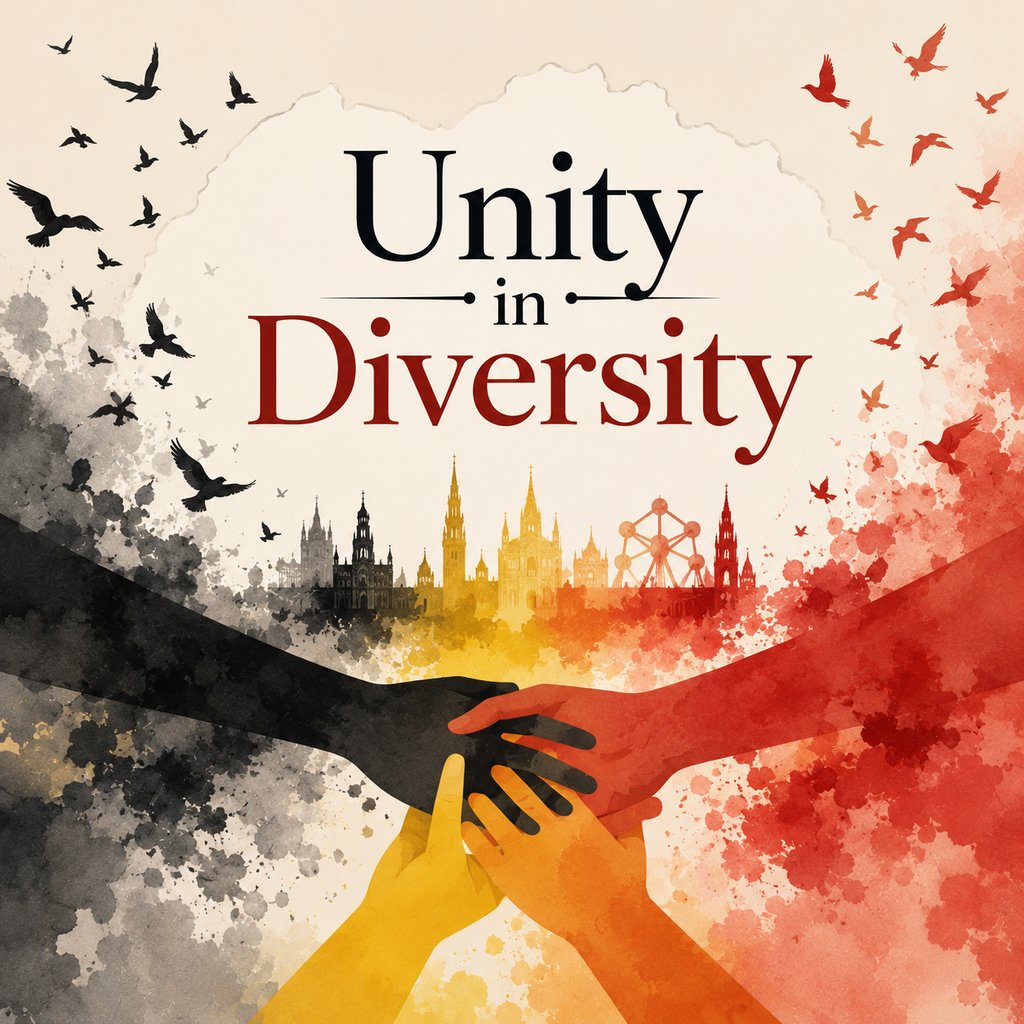
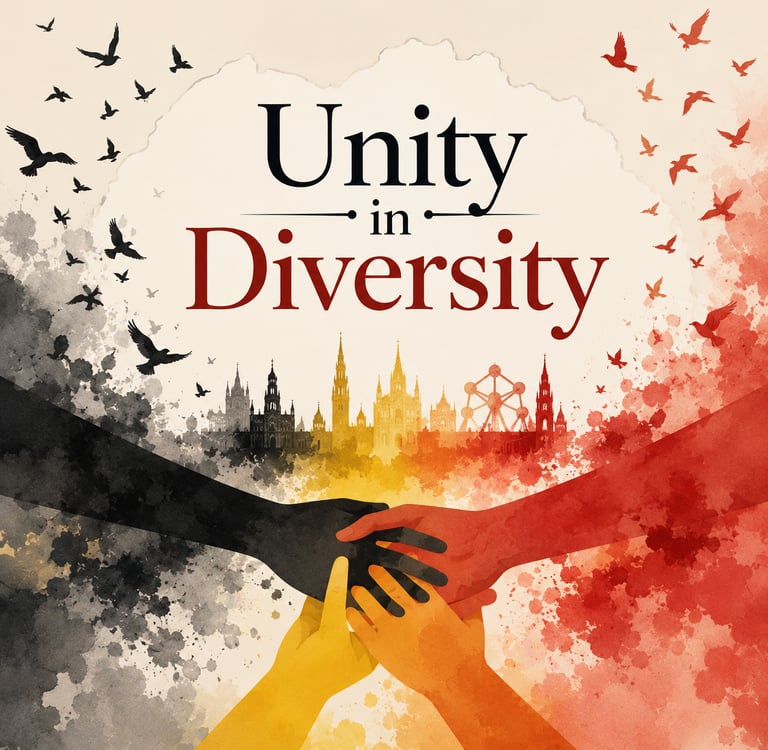
Belgium, though small in size, carries a remarkable lesson for the modern world, that diversity, when embraced with wisdom and respect, can become a source of strength rather than division.
Celebrated on 21st July, the Belgian National Holiday marks the oath-taking of King Leopold I in 1831 and the birth of modern Belgium as a constitutional monarchy. Yet beyond the ceremonies and celebrations, the day reflects something deeper, the ongoing effort of different communities, languages, and cultures learning to coexist within a shared national identity.
Belgium is often described as a meeting point of Europe, home to Dutch-speaking Flemish communities, French-speaking Walloons, German-speaking minorities, and people from many nations who now call it home. Its cities, from Brussels to Bruges, carry centuries of art, architecture, diplomacy, and cultural exchange.
A traveller once remarked after visiting Belgium,
“In one country, I heard many languages, but I also heard a common desire, to live together peacefully.”
That may well be Belgium’s quiet strength.
Like many societies, Belgium too has faced tensions, political differences, and questions of identity. Yet its continued journey reminds us that harmony is not created by sameness, but by learning to respect differences while remaining connected through shared values.
In today’s world, where polarization and intolerance often dominate public discourse, this message feels increasingly relevant. Human civilization flourishes not when every voice sounds identical, but when diversity becomes an orchestra rather than a battlefield.
Belgium also symbolizes another important truth, that smaller nations can still play meaningful global roles. Through diplomacy, international cooperation, science, art, and institutions centred in Brussels, Belgium contributes quietly but significantly to global dialogue and unity.
Perhaps every nation and every individual can learn from this balance between individuality and collective belonging.
Reflection
The Belgian National Holiday reminds us that true unity does not require uniformity.
When differences are met with respect, dialogue, and understanding, diversity transforms from a challenge into one of humanity’s greatest strengths.