
Morning Muse 256 : The Meaning You Choose
The same message can lead to different outcomes depending on the listener’s mindset and intentions. Transformation depends not on what is said, but on how we understand and act upon it.
3/16/20261 min read
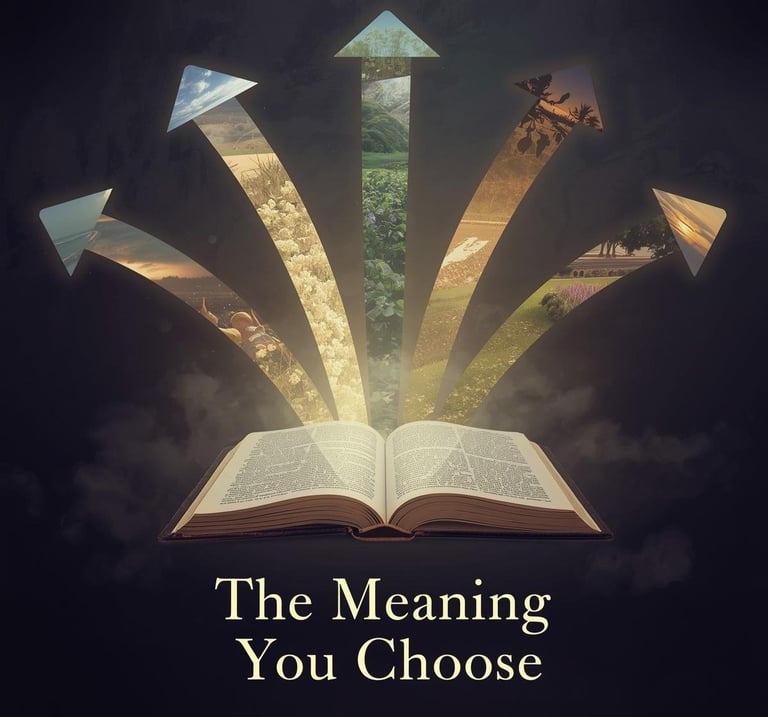
After delivering a discourse, Gautama Buddha simply said, “Wake up. Time is running out.”
The words were brief and clear, yet those who heard them understood them in very different ways.
A dancer in the crowd suddenly remembered that she had neglected her responsibility to perform at the royal court. Taking the Buddha’s words as a reminder of duty, she hurried away.
A thief interpreted the same message differently. To him, it sounded like a warning that time was slipping away and he must act quickly to complete the theft he had been planning.
A wealthy man, hearing those same words, felt something deeper stir within him. He saw them as a call to awaken from a life devoted only to comfort and possession. That day, he began to reflect seriously on renouncing his attachments.
The message was one, yet the meanings were many.
Life often speaks to us in this way. The signals may be simple, but we decode them through the lens of our desires, fears, habits, and conditioning. We rarely hear only what is said; we hear what our mind is prepared to hear.
Wisdom itself is neutral. It neither binds nor liberates anyone by its mere presence. What gives it direction is the understanding of the listener.
The meaning you draw from life’s messages depends on the state of your own mind. When the mind is clouded by craving or fear, even the purest teaching may be distorted. But when the mind is calm and clear, even a few simple words can awaken profound insight.
In the end, transformation is deeply personal.
The same truth stands before everyone.
Whether it becomes your bondage or your liberation depends on how you choose to understand and live it.